
Getting it right with ground mats
Getting site access right isn’t optional — it’s about keeping people safe, equipment moving, and projects finished on time.
Our ground mats (sometimes called traction mats) create quick, temporary stable surfaces that protect the ground and support vehicles and equipment across all sorts of surfaces — from soft ground to flat finishes like asphalt.
We made this video to answer the most common questions we get asked about ground mats — what they’re made of, how they work, and how to choose and use them safely.
Watch the Video
What are TransQuip’s ground mats made of?
Our ground mats are built from tough, durable HDPE (high-density polyethylene) — a material that spreads the weight of vehicles and machinery and resists cracking, delaminating, and moisture. They flex over uneven ground, so they stay reliable even in real site conditions.
This blend of strength and flexibility means the mats are fit for purpose, not flimsy alternatives that break or wear out quickly.
How big are they?
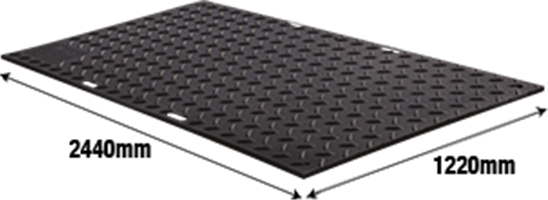
The standard ground mat size is 2.4 m x 1.2 m. You can join multiple mats together to make wider or longer surface areas to suit your access needs.
How do I join them together?
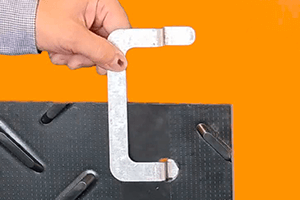
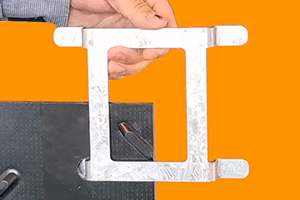
Ground mats can be quickly and securely joined using 2-mat or 4-mat joiners to create larger or continuous access routes.
How heavy are they? Are they easy to move around?
Each mat weighs around 39 kg. Integrated handles on both sides make handling fast and safe with two people — no special lifting gear required.
This means less downtime moving gear around the site and more time getting work done.
Do they need to be anchored?
Typically, no — mats sit firmly on most surfaces without fixings.
However, on very soft ground, steel pins (available separately) can be used to keep them from shifting if conditions need it.
What do they do?
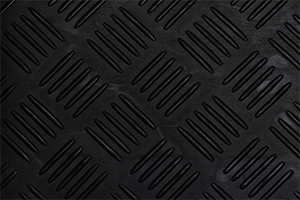
Ground mats have two main purposes:
Traction: The top surface has a grip pattern that helps prevent tyres and foot traffic from slipping on soft or wet ground.
Ground protection: The smooth underside protects surfaces such as grass, asphalt, or concrete from being gouged, scarred, or churned by vehicle tracks — saving you costly remediation later.
When the job’s done, they lift off easily, can be hosed down, and reused again — site protection without the clean-up headache.
What Surfaces Can the Ground Mats Be Used On?
They can be used on virtually any surface, including:
• Concrete
• Asphalt / paved areas
• Mud and soft ground
• Grass / turf
The smooth underside protects finished surfaces, while the gripped side gives traction where you need it most.
Do They Have Grip on Both Sides? Can You Use Both Sides?
Standard mats have grip on one side only.
• Yes — mats are reversible, and the smooth side can face down where surface protection matters most (e.g., asphalt or concrete).
• You can order mats with grip on both sides if your job requires it.
We design them this way so that on asphalt and sealed surfaces the smooth side won’t mark or pit the surface, and on softer surfaces like grass you put the grip side down to maximise traction.
What are they rated for?
Our ground mats are rated for 80+ tonnes of load.
That means they’re suitable for most heavy machinery and vehicles used on civil sites when installed and used correctly.
What machine can drive on them?
Any machine can travel over our ground mats — from small vehicles to heavy plant.
The one exception: metal-tracked diggers can damage plastic mats as they aren’t metal plates — so consider heavier steel plates if you need repeated tracked access.
What machine can drive on them?
Any machine can travel over our ground mats — from small vehicles to heavy plant.
The one exception: metal-tracked diggers can damage plastic mats as they aren’t metal plates — so consider heavier steel plates if you need repeated tracked access.
Can I Buy or Hire Mats?
Yes — ground mats are available for both sale and hire, and you can mix purchase and hire to suit your project’s scale and budget.
Talk to our team if you’re unsure which option makes sense for your site.
Why Ground Mats Matter
Using purpose-built ground protection mats:
• Improves safety — stable surfaces mean fewer slips, slides, and bogged vehicles.
• Protects surfaces — minimises repair costs after the job.
• Keeps work moving — less downtime, fewer delays.
• Supports compliance — safer, more predictable access management.
Getting ground access wrong can cost time and money — and create safety risks that shouldn’t be on your site.
If you’re planning a job, dealing with boggy conditions, or aren’t sure what mats you need:
Call the team — we’ll talk through your ground conditions and site pressures and recommend what’s right for your project.
Guardian — we’ve got your back on site.
