
Every job, and every job site is different. But the need to provide practical and safe solutions for people working below ground level doesn’t change.
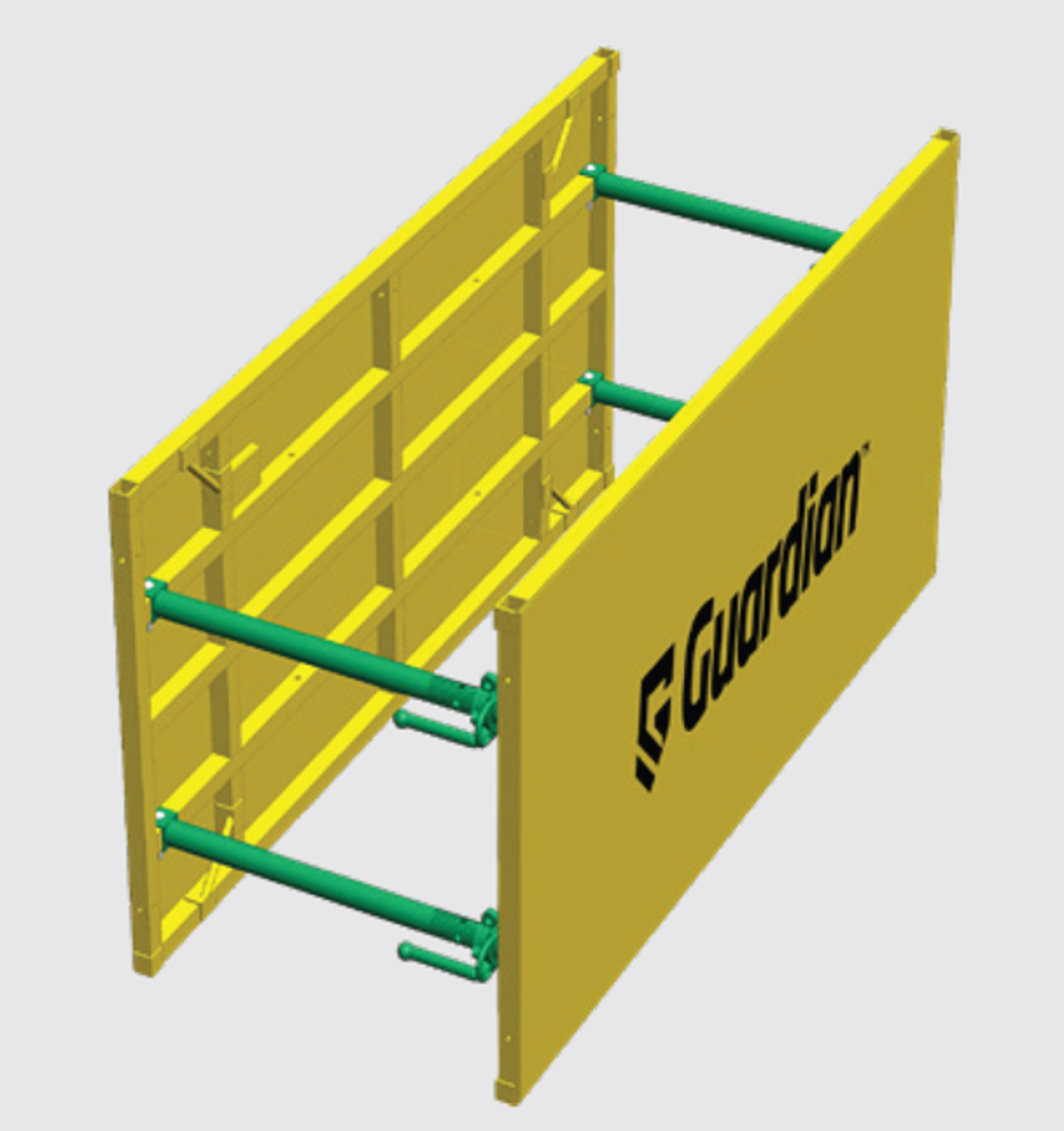
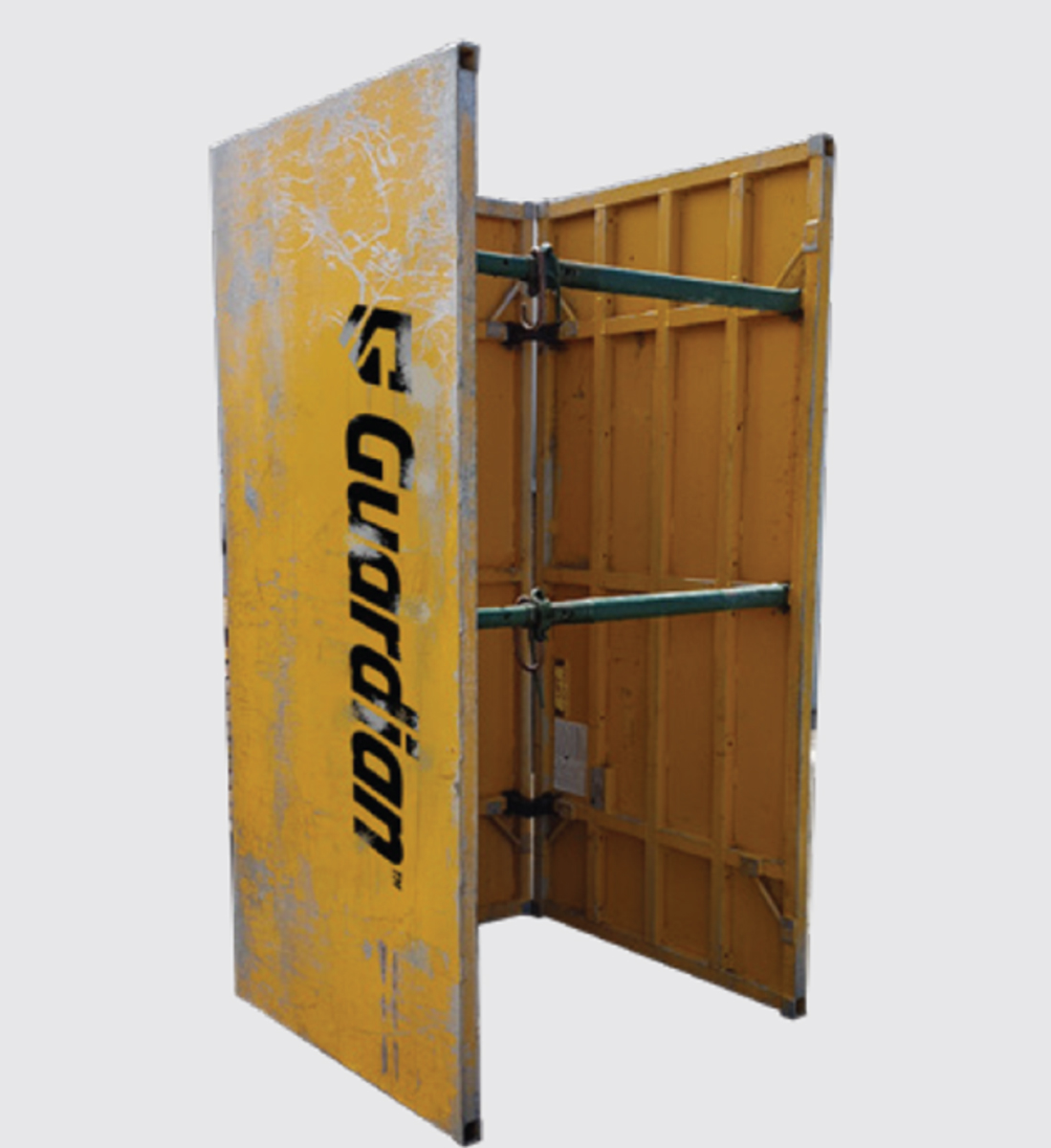
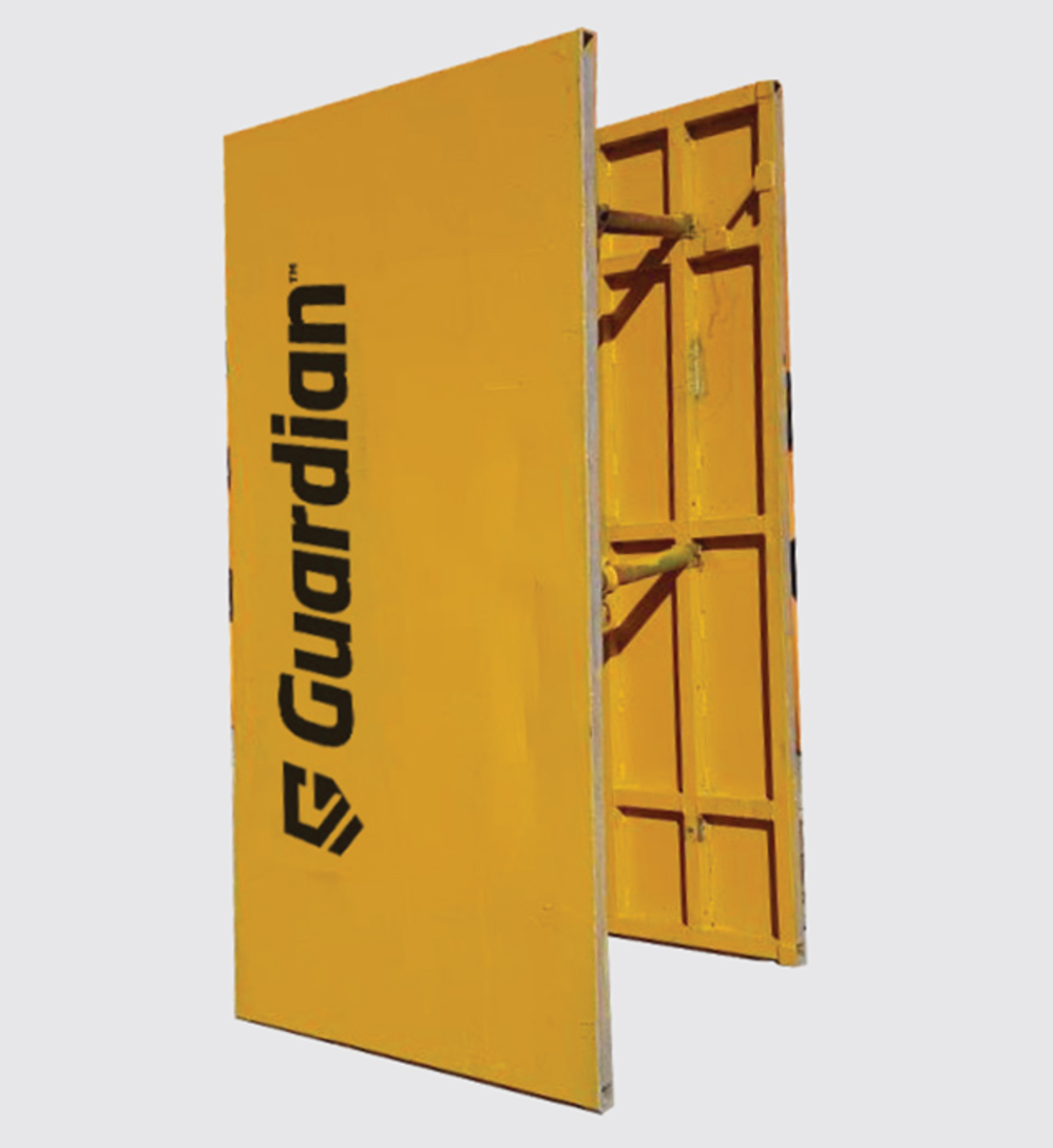
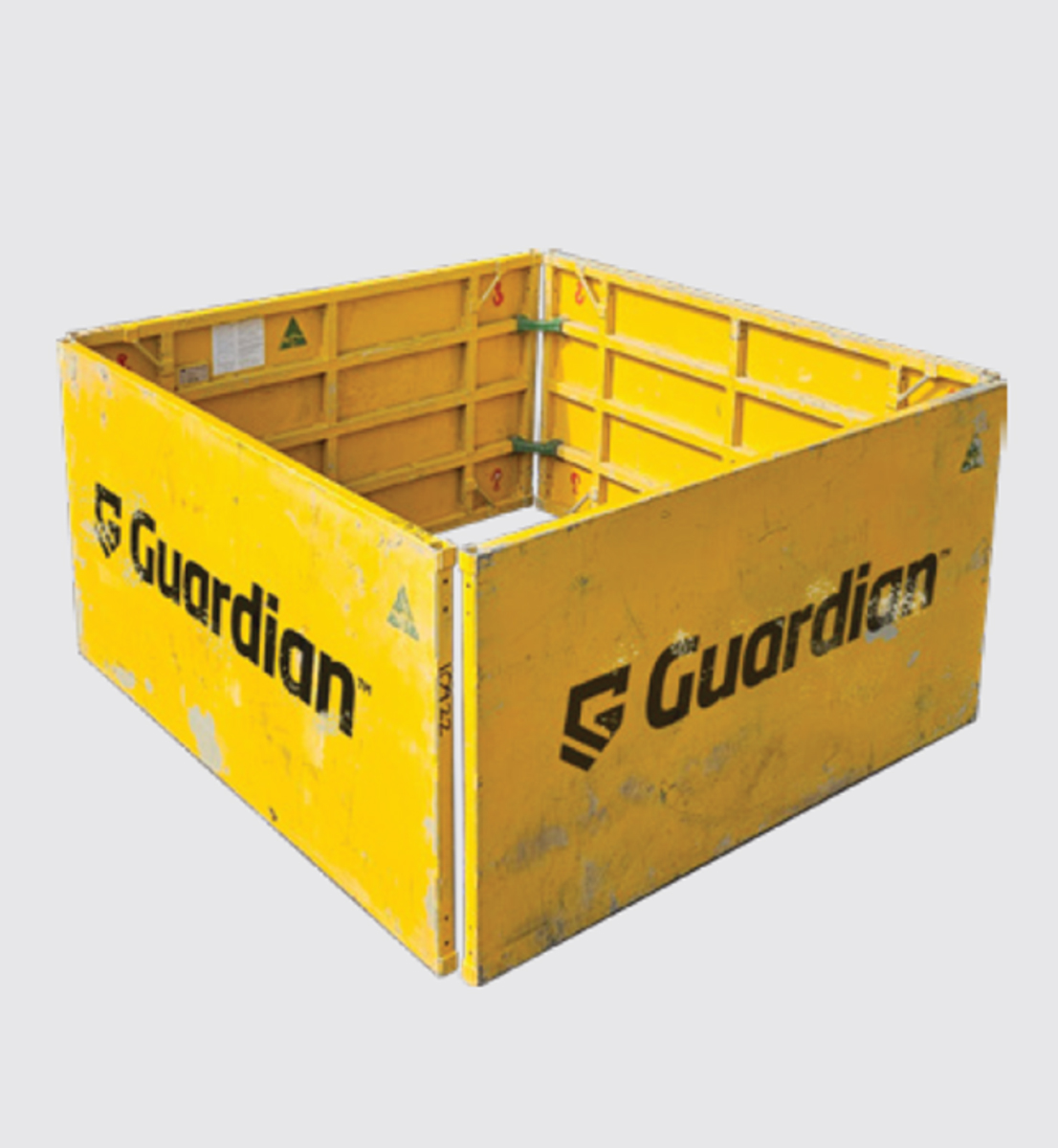
Two of Guardian’s shield options are: Modular boxes or trench shields. Each with their different strengths.
Modular Boxes Best Used For:
• Trenches with pipes, cables, or other obstructions
• Manhole installations
• Sites where flexible configurations are required
• Running sand
Trench Shields Best Used For:
• Installing larger diameter pipes
• Longer trench runs
• Projects where shields need to be moved frequently
Modular Boxes

Weight
34 – 64kg per panel depending on size.
For a1.8m x 1.8m x 1.8mH box 542kg.
Individual panels are manhandleable.
Full set-up needs a machine to lift.
Setup
30min. Modular boxes take longer to assemble because they are made up of multiple panels.
Transport
Utes or small trailers when disassembled.
Truck or heavy trailer when assembled.
Flexibility
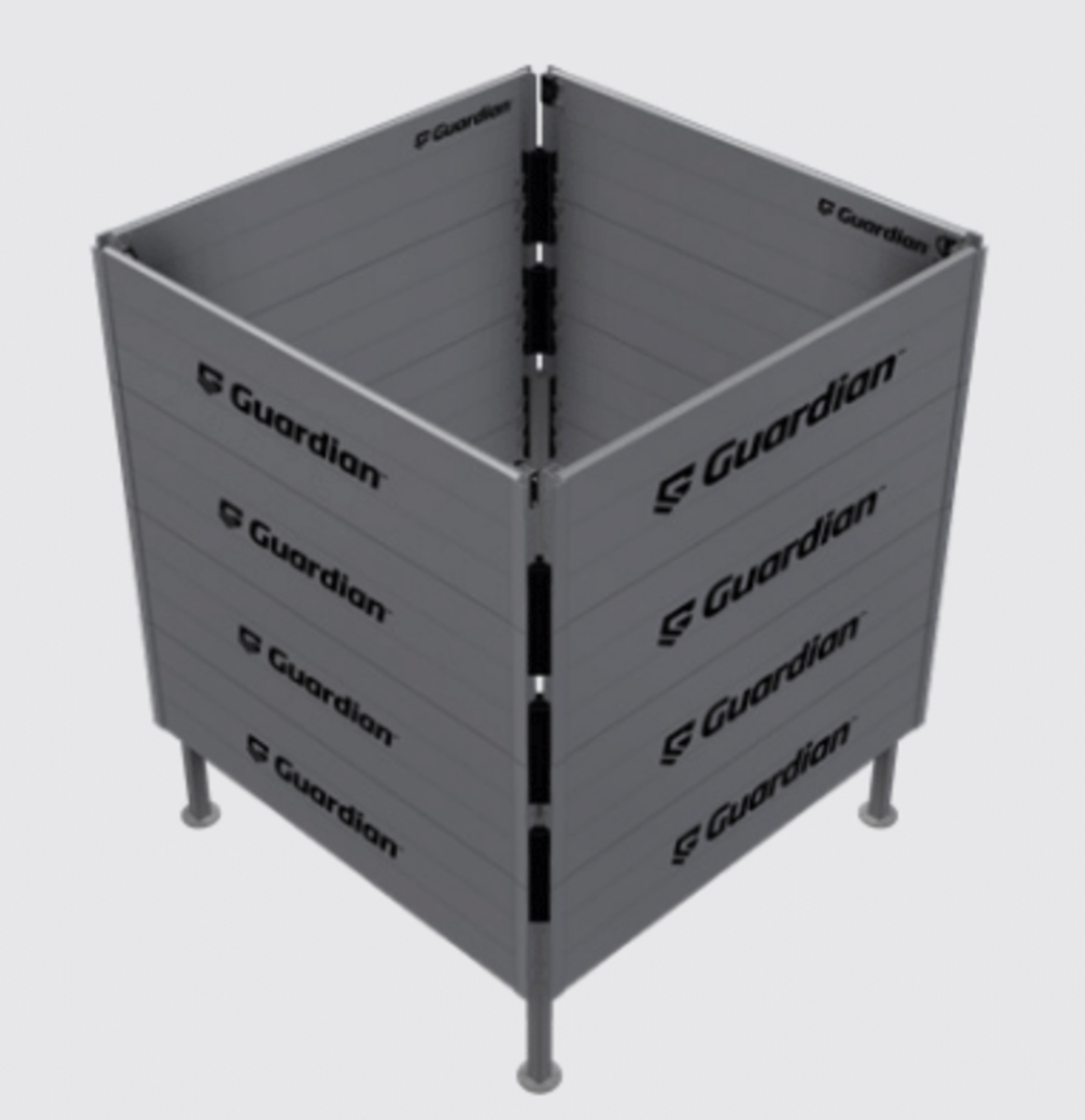
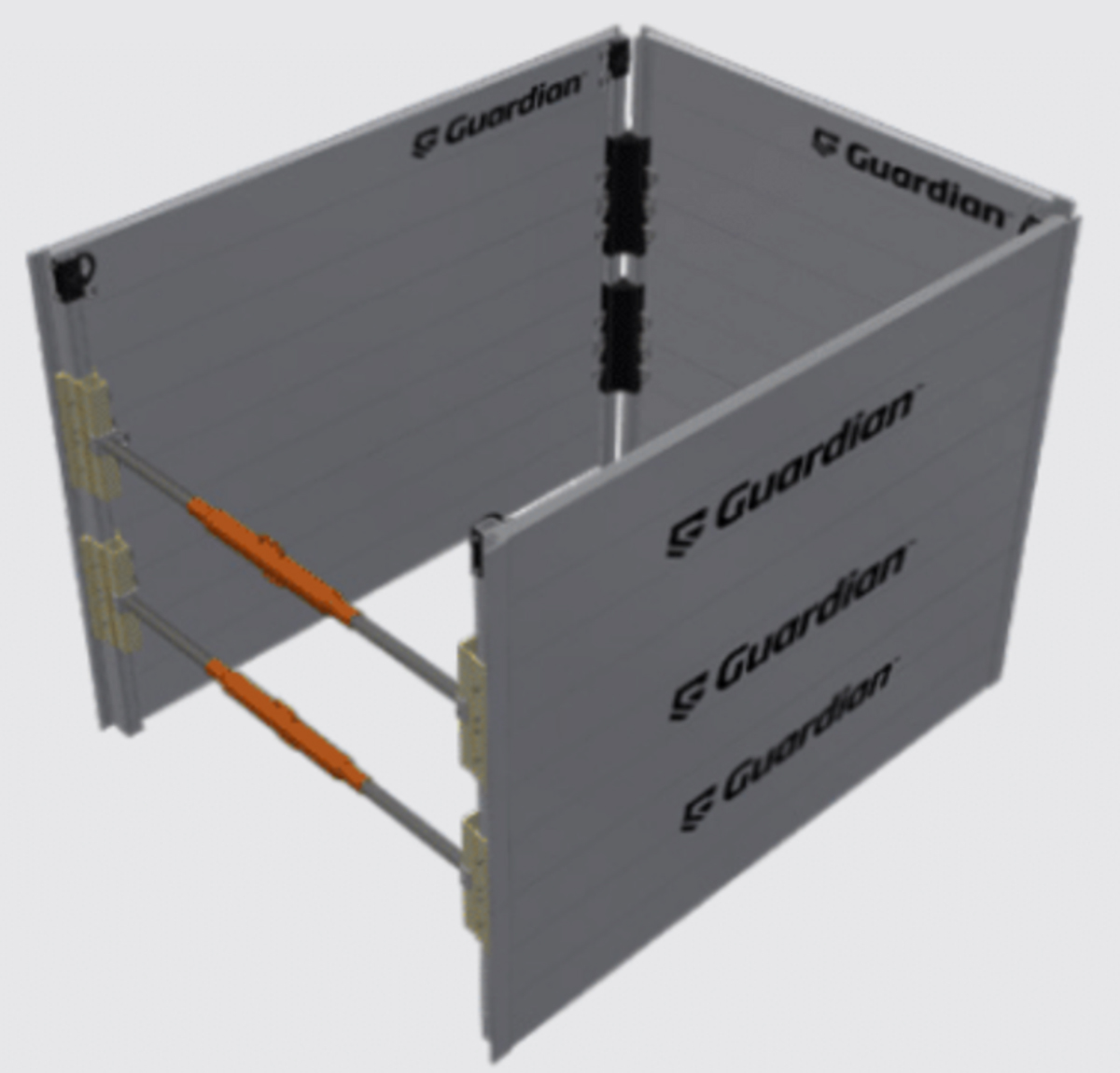
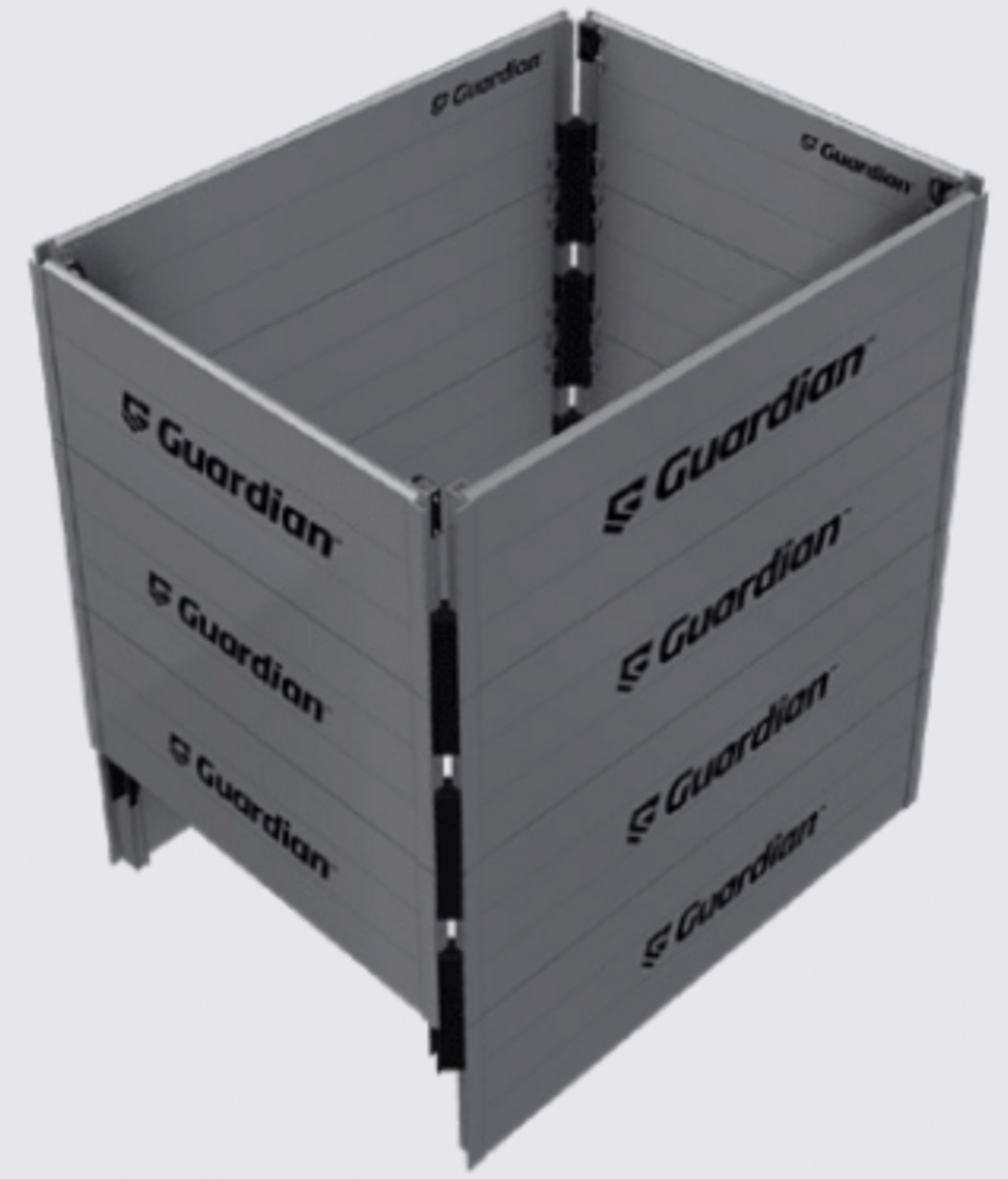
They can be configured as:
• A full box
• A 3-sided box
• A box with openings for pipes or cables
• A shield
• A box with legs
Cost
Modulars cost slightly more than a standard solid trench box due to having more parts, price is privately agreed with the individual.
Strength
• 1.5m panel: 74kPa rating
• 1.8m panel: 57kPa rating
• 2.4m panel: 44kPa rating
• 3m panel: 26kPa rating
Trench Shields

Weight
The smallest 2301 shield weighs 140kg and 60kg per panel.
Larger shields 510-2150kg depending on size.
Setup
10-15min, as they have fewer components.
Transport
Utes or small trailer for small shields.
A truck or heavy trailer for medium to large shields.
Flexibility
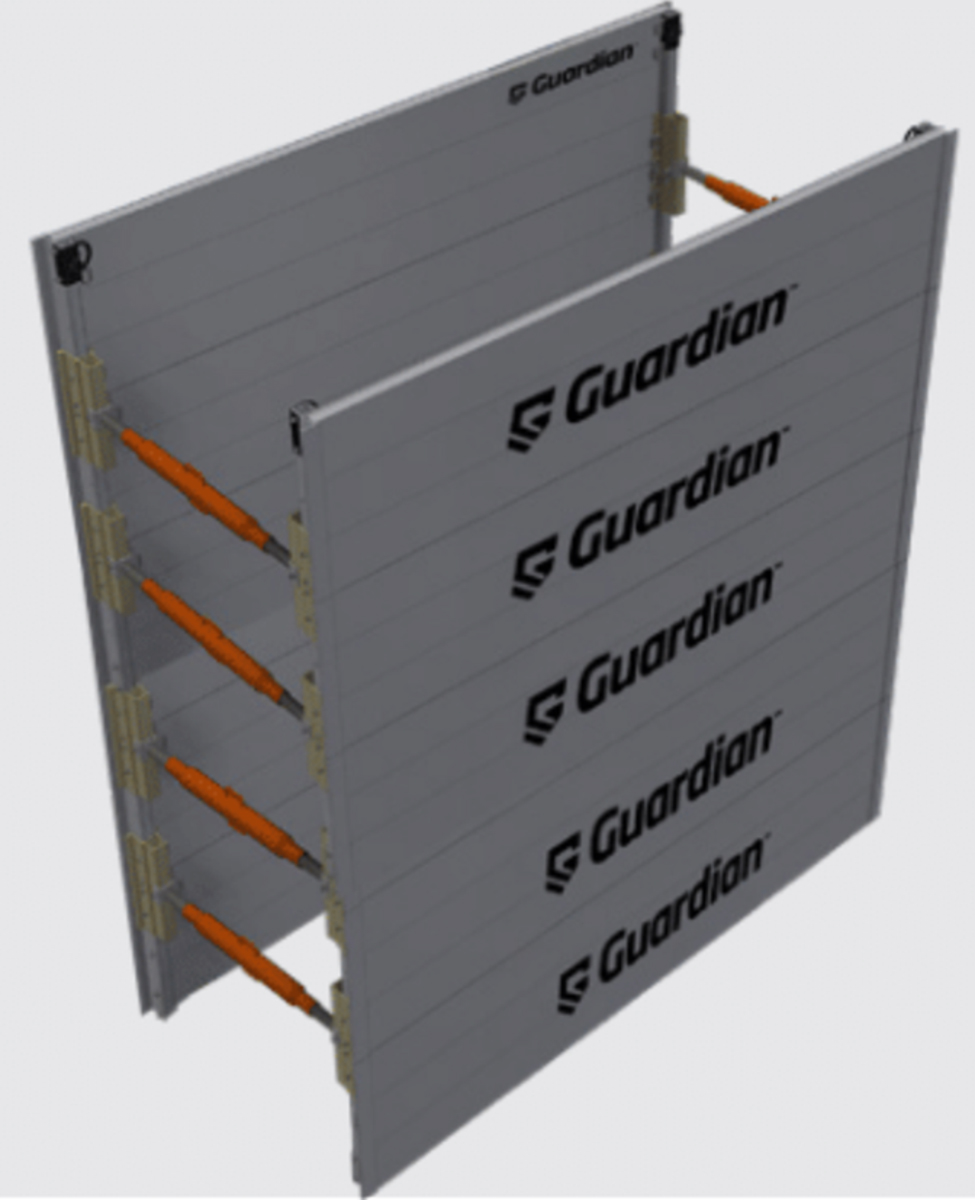
Small 2301 shield configurations:
Standard 2-sided shield
• Double stacked 2-sided shield
• Vertical 2-sided shield
• Vertical 3-sided shield
• Square box shield
We have also made a double-stacked shield wall before, out of large shields. Learn how we did it in this blog: Click Here!
Cost
Costs vary depending on size, strength rating, and hire duration.
• Smaller shields have lower upfront costs
• Larger shields increase in cost, particularly super shields with higher kPa ratings
This will be privately agreed with the individual.
Strength
• Small 2.4m shield: 20–50kPa depending on strut placement
• 3.5m shield: 43kPa rating
• 5m shield: 55kPa rating
• 7.2m shield: 36kPa rating
Additional struts or stronger designs can increase kPa ratings, although this also increases weight.
Watch this video to learn how to assemble a modular trench shield:
https://www.guardiancivil.co.nz/videos/learn-how-to-make-the-guardian-modular-trench-shields/
Watch this video to see how easy it is to assemble a small trench shield:
Larger shields take slightly longer because machinery is needed during assembly.
Watch how to assemble a large aluminium trench shield:
https://www.guardiancivil.co.nz/videos/watch-how-to-make-a-large-aluminium-trench-shield/


Trench shields, on the other hand, only the small trench shield can be loaded onto Utes or small trailers, while all medium to large sizes require a truck or heavy-duty trailer for transport, regardless of being assembled or not. This makes trench shields less flexible for transport compared to modular boxes, which offer greater adaptability depending on how they are packed.
Flexibility – Fit for Purpose
The modular adjustable struts go from 0.6 to 2.9 metres, whereas the large adjustable struts for shields go from 0.6 to 2.4 metres.
See our full range online HERE.
Important:
Never lift a shield or box using the struts. They are not designed for lifting and can bend, which prevents them from being adjusted later.
Cost – Time vs Size
Costs for both modular boxes and trench shields depend on several factors:
• Size
• Strength rating (kPa)
• Weight
• Length of hire
Generally:
• Smaller systems cost less
• Higher kPa ratings increase price
• Heavier units cost more to transport
• Longer hire periods reduce the hire rate
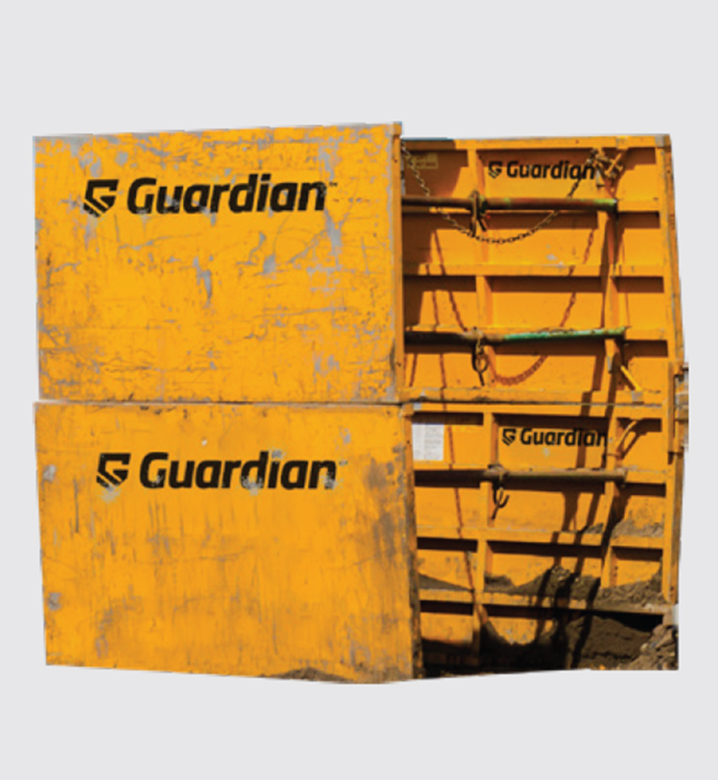
Strength
Shield strength can also increase through:
• Additional struts
• Stronger designs such as super shields
However, these upgrades can also increase weight.
For larger projects requiring a higher strength-to-weight ratio, check out the Guardian Large Aluminium Trench Shields. https://www.guardiancivil.co.nz/product-category/large-trench-shield/
Watch this video answering the most common questions about large trench shields:
Any shield or box should only be used after a certified geotechnical engineer has assessed the trench and confirmed that soil pressure does not exceed the equipment’s kPa rating.
What’s Best for Your Job?
Every site is different.
Soil conditions, space constraints, equipment access, live services, unknown service, and pipe size all influence the right choice.
If you’re unsure which system suits your project, talk to the Guardian team. We can help you work through the options and recommend equipment that keeps your crew safe and your job moving.
You can also find more information on excavation safety on the WorkSafe website HERE.
Or see a real-world example of Guardian trench shoring in action HERE.
Disclaimer
While Guardian strives to provide accurate and up-to-date advice regarding our products, it is your responsibility to ensure you meet all legal requirements, rules and regulations before putting shields in the ground.
